

As bioarchaeologists, we are supposed to uphold one United States law as a matter of moral and ethical standards: NAGPRA, or the Native American Graves Protection and Repatriation Act. If you have followed me for some time, you will know that this law was ingrained in the back of my eyelids by UNC’s and ECU’s Anthropology Departments. This is because anthropology’s history of dealing with Native Americans’ graves hasn’t always been ideal. White graves have always been protected. While Black and Indigenous graves, until historically recently, were fair game for scientific research and looting.
In light of the recent administration work to roll back protections given to historical sites, Section 106, and the cutting of funding towards NAGPRA protection, I think it is time to address the history of Native American Grave exploitation and the long road to NAGPRA.

Europeans In North America
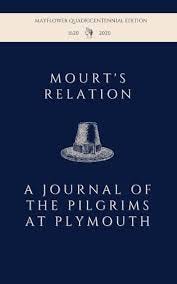
In December of 1620, according to Mourt’s Relation: A Journal of Pilgrims at Plymouth, the Pilgrims discovered an active grave of a man and a child. They searched through the grave goods, taking the fine items, even the beadwork found with the deceased child’s remains. They felt comfortable doing this because they believed Native Americans were not fully people (Midtrod 2019). This is the first recording of Europeans robbing Native Graves recorded by the grave robbers themselves. It would not be the last time the Pilgrims would plunder these sites looking for other trinkets, goods, and eventually taking the bones of the Natives.
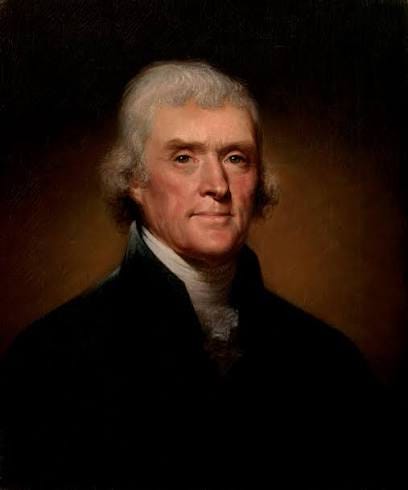
During this time period and after the discovery of several more burial mounds, many European colonists refused to attribute these complex mound structures to the Native Americans who built them. In their estimation, the Natives were too simple to be able to build these all over the Americas and instead would attribute them to a “Lost Tribe of Israel.” President Thomas Jefferson had a burial mound about six miles just outside of Monticello. As a child, he had witnessed local Natives visit the mound to mourn their dead, and as an adult, he decided to collect archaeological evidence on the burial mound. While Jefferson did not display or collect any of the burial materials recovered, he did document and observe the individuals discovered. Jefferson knew this was an active place of mourning. He did not ask the Monacan Indian Nation before digging at this location. He did, however, believe the local Native group (later confirmed as the Monacan Indian Nation) was responsible for constructing the mounds. It is unclear whether he thought they were the possible “Lost Tribe of Israel,” but he at least credited the local Native population with their construction.
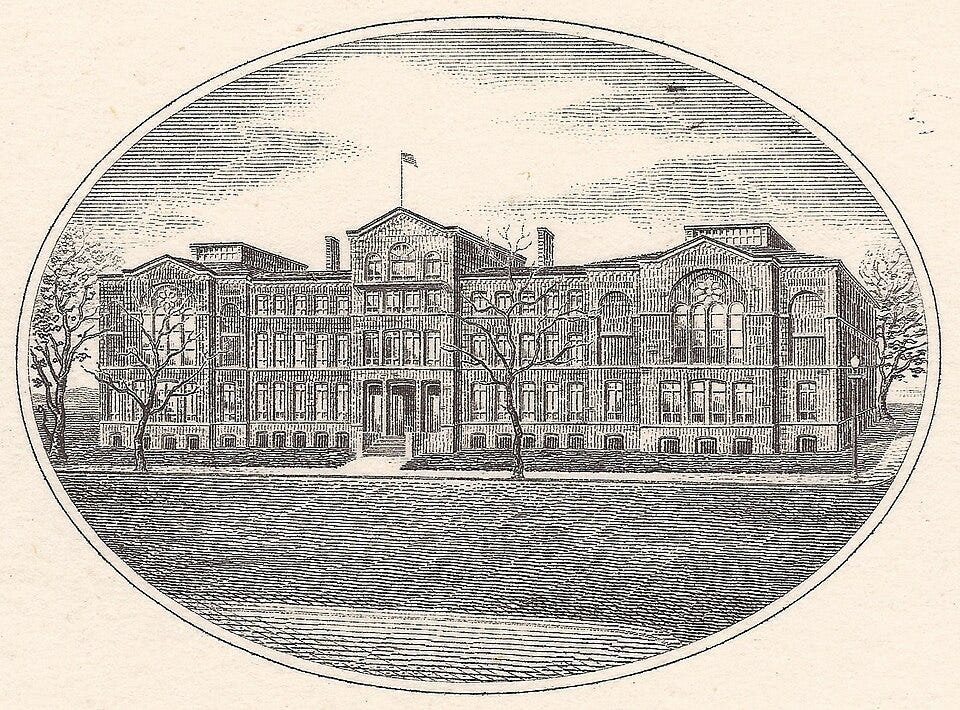
The 19th Century would continue with the plundering and disturbance of Native American Burial sites. Abelard B. Tomlinson would begin excavations of Grave Creek Mound in modern-day West Virginia in 1838. It was considered to be one of the largest conical burial mounds in the country. Driven by curiosity and not scientific inquiry, he would remove several individuals from the site and use his work to continue the false “Lost Tribe of Israel” discourse. Then there is Montoville Wilson Dickeson and his excavations of burial mounds in the Mississippi River Valley (Louisiana and Mississippi) during the 1840’s. Dickeson was a Pennsylvania physician whose interest in the past led him to become an amateur archaeologist. A common theme in the history of archaeology, for better or worse. He would amass an incredible collection of grave goods and human remains. He would eventually donate his findings to what is now the modern-day University of Pennsylvania Museum in 1899.
North Carolina Natives were not spared by this amateur collector-to-museum pipeline. The Valentines are a very prominent family in Richmond, VA. Mann S. Valentine II was already a very wealthy man when he invented his miracle Meat Juice as a way to extend his sickly wife’s life. He and his sons would use their incredible fortune to found and fill the Valentine Museum with artifacts from everywhere they possibly could. As part of their desire to document prehistoric North America and this “vanishing” Native culture. Valentine turned their attention and vast fortune to Western North Carolina’s burial mounds belonging to the Cherokee.
These excavations were more than simple discovery, curiosity, or scientific exploration. They sought to take many Native Grave artifacts back destructively to Virginia and display them at their museum. They excavated at least eight burial mounds associated with the Cherokee and their ancestors. Some of the more famous mounds they destructively excavated are the Peachtree Mound near Murphy, the Garden Creek Mound near Canton, Jasper Allen Mound near Sylva, and Birdtown Mound in Birdtown. This region of North Carolina is considered to be the Heart Land or Mother Town for the Cherokee Nation. These mounds date to long before there was ever a European presence in North America.
The Army Medical Museum: Scientific Racism
The Civil War brought many changes and opportunities for scientific inquiry, and it began with the goal of improving medical treatment and understanding. In 1862, the United States Army Medical Museum was founded by the Surgeon General William A. Hammond. The original intention was to collect specimens from war victims; first, the focus was on skulls, but it would eventually expand to include surgical, photographic, medical, and microscopic collections to better understand disease and injury found on the battlefield. However, in 1868 the museum added a comparative anatomical collection and requested help in procuring specimens from “Indian Country.” Now, they wanted and collected more than just Native remains; they would collect from those of European, African, Asian, and Oceanic ancestry. The museum worked with the Smithsonian to transfer over a large portion of their Native American remains to be added to this comparative collection. The main purpose of this collection was to identify, order, and rank people of different ancestral origins into the races. They used biological markers and identifiers to give an “order” to these races. The results of all this research, of course, proved that the White man was superior to all the other races found on Earth. George A. Otis, surgeon and Brevet Lt. Colonel, collected the data from the comparative collection and came to the conclusion that Native Americans were “lower on/in” the human hierarchy than previously believed. These kinds of arguments would be used to strip Natives of their lands as well as others of their rights in the American Legal system.
Visitors Welcome
Imagine your family’s graves being purchased by a private individual, and that individual discovers them. Amazed by the elaborate gifts and ceremonies that you had given your family in your time of grief, they decide to open up all the graves associated with your family and the community buried alongside them. The individual then decides to create a business around the remains of your loved ones, charging people a fee to come on their land and view them.
If you are a member of the Peoria Tribe of Indians of Oklahoma, this is no hypothetical. Their ancestors were put on display as a roadside attraction in Lewistown, Illinois. People were charged fifty cents to see the human remains and grave goods uncovered by Dr. Don Dickson, a chiropractor, in 1927. He had unearthed 234-248 burials, built a protective enclosure around the site, displayed the remains, and charged fifty cents for admittance.
This “museum” in its first year had around 40,000 paid visitors.
Attendance at the private site would drop due to the Great Depression and World War II, leading Dickson to sell the site to the State of Illinois under the condition that he continued as the site manager until 1965, when Dickson finally gave full control to the state. As the Black Civil Rights movement reached its height in the late 1960s, Native Americans began their protest against the unconsensual use of their Ancestral Graves for scientific inquiries and tourism.
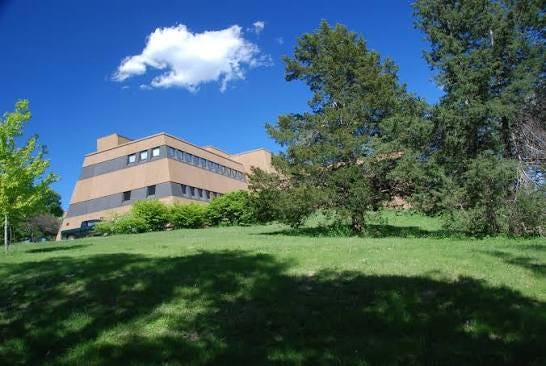
Reader, I want you to understand the kinds of individuals that were on display at this museum. There were many adults, but there were also young children, infants, and the very elderly. We’re talking about sensitive populations. Displayed among them was an unborn fetus, still wearing a shell pendant. Two men in their mid-forties lay nearby. A young woman rested with her hand over her pelvis and was buried with a shell necklace. It was stolen at some point, and even her jawbone had gone missing from the display. A man was buried with fishing hooks carved from bone; another with five arrows laid across his knees. A two-year-old had been buried with a rattle made of mussel shells that, too, disappeared. (Jaffe, Logan. ProPublica).
When we look at the types of individuals displayed, their treatment, and the lack of protection given to these individuals, we can better understand why many Native groups were outraged. That is why they began protesting these institutions. They had no control or protection over their dead, and they were dismissed because of the history of this country’s belief that Native Americans are either less than or no longer exist.
Dickson Mounds was not the only location where the Native Dead were put on display. You had Grand Mound in International Falls, Minnesota, and Camden Park Mound, which was a part of an amusement park in Huntington, West Virginia. Not to mention other museum locations across the United States not tied to a particular burial mound, just displaying human remains and grave goods like novelties or oddities for American consumption.
It was more than just the study conducted by archaeologists. It was also the commodification of the Ancestral Dead of American Natives.
Money for the Dead
Looting is a problem at every historical site; however, the looting of burial and sacred sites is especially egregious. Most intact artifacts recovered of Native origin typically come from burials. It has been a long-standing issue, but most laws before NAGPRA were barely enforced. The 1906 Antiquities Act was created to protect artifacts collected from Federal land. However, most violations were treated as minor offenses, and the individual would just be fined. This did nothing to protect those sites on private property. During the great depression, we have documented evidence of farmers looting Native Burials and selling artifacts recovered as a means of earning cash out of desperation.
The profit from antiquities selling reached its height in the 1960’s-1970’s in the United States. In the American Southwest, we get an interesting cultural practice of Skeleton Picnics in which people visiting local archaeological sites would loot and plunder Native Graves. Some researchers estimate that only one out of ten graves in the Southwest has been left untouched. One man, Earl K. Shumway, is claimed to have looted over 10,000 archaeological sites. Looting is so bad in these areas that Park Rangers in the Southwest often wear bulletproof vests and carry extensive firearms just in case they have a run-in with looters. It was clear that the Act of 1906 did very little to prevent the crime. In 1979, the Archaeological Resources Protection Act was passed, providing clearer definitions and real criminal prosecution for looters of archaeological sites on Federal land. Many people don’t understand why this is an important measure to prevent looting because they believe they are finding long-forgotten treasures. This simply isn’t the case; most of these sites are left alone because they are a part of the cultural heritage of people still living, and just because they aren’t there doesn’t mean it was forgotten. Also, as any archaeologist will tell you, the item itself is practically useless. It would be the same as having others bring you evidence of a crime scene piece by piece. The objects alone don’t tell a story; where they were found, what they were found in relation to, what color the soil was, etc., tell us something about the artifacts that are collected. We have to see everything surrounding the artifact to gather any data, because we are trying to understand what was happening at the site to explain why this artifact is there in the first place.
These acts did nothing to protect Native American graves specifically.
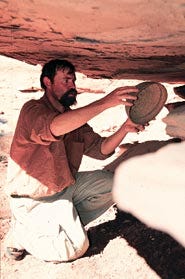
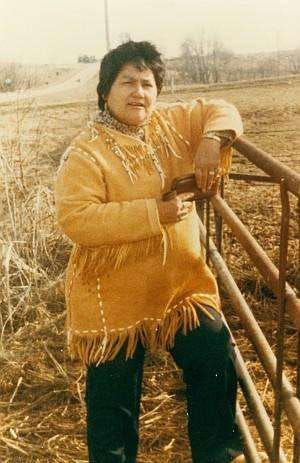
Maria Darlene Pearson aka Running Moccasins
Born in Springfield, South Dakota, and a member of the Turtle Clan of the Yankton Sioux Tribe, she was one of the leading voices for the NAGPRA movement. She married a district engineer with the Iowa Department of Transportation who was working on a highway construction project when they unearthed twenty-six white and two Native American remains. The white remains were reburied, but the two Native American remains were sent to the state for archaeological study. Pearson was confused and outraged that Native remains were up for study, while white remains were automatically reburied. She made it her life’s mission to protect the ancestors where they lie. She went to the Iowa state government, working tirelessly to get the Iowa Burials Protection Act of 1976. It was the first time that a law within the United States offered special protection of Native burial sites and required the reburial of Native Remains.
Pearson did not stop at Iowa; she began working with federal agencies and advocated for a national law to protect Native Burial sites.
In 1987, an archaeological site in Union County, Kentucky would be the fuel needed to get NAGPRA passed. Over the course of two months, around 650 graves dating to the Mississippi period were looted in an industrialized manner. While Slack Farm was technically private property, neighbors and law enforcement were horrified by the scale and brutality of the looting incident. (NAGPRA only protects those on Federal land, and there is still a gap in the law that would allow this to happen again, since Slack Farm was private property.)
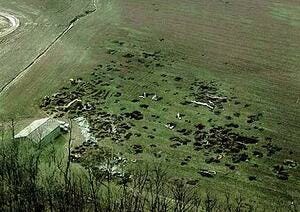
Why we need NAGPRA.
Not all archaeologists agree that NAGPRA is necessary and inhibits our ability to study the past, and in some ways they are correct. Finding a skeleton on a Native American site can delay excavation, costing time and money. I would argue that after the history of the United States’ treatment of Native Americans, both living and dead, we have proven ourselves untrustworthy. History shows that we will give deference to white graves but then treat graves of Natives, Black, and other non-whites as objects that can be studied and used to whatever we deem appropriate. We had laws and study practices built and developed from a time when science was used to prove and enact racism. Studying humans requires special care and understanding, because while it might be just an artifact to archaeologists, to descendant populations, it is their history, a final act of love, and sacred identity. If we are fortunate enough to study the dead and past populations, we must treat it as a sacred and solemn duty. We are no different from undertakers; we interact with those who can no longer advocate for themselves, and they mean something incredibly important to those still living. Time and distance make no difference when looking at human life; it must be done with care and respect.
Current Attacks: Protecting Our History
These laws, which Americans have fought for and earned, are currently being undermined and attacked by Presidential Order. Not by voting or challenging court cases, but by a decree of a single man and his administration. As of writing, President Trump has rolled back protections given to Bears Ears, Grand Staircase-Escalante, Chaco Culture National Historic Park, and Oak Flat, aka Chí’chil Biłdagoteel, all of which are located in the Southwestern United States. As we have established, an area in the US has some of the most active areas of looting and disrespect for Native Protections. In the cases of two of the sites, Trump’s proclamation reduced the size of Bears Ears from 1.36 million acres to 121,100 acres, and Grand Staircase from 1.87 million acres to 181,500 acres. This order also dismantles the Bears Ears Commission, the precedent-setting Native American oversight committee to work alongside the American government to manage and protect these sites. This was a massive win for Native Americans having a say over the protections and rights of their past, stolen away by a proclamation.
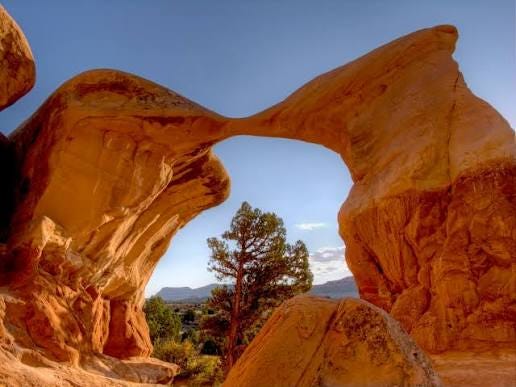
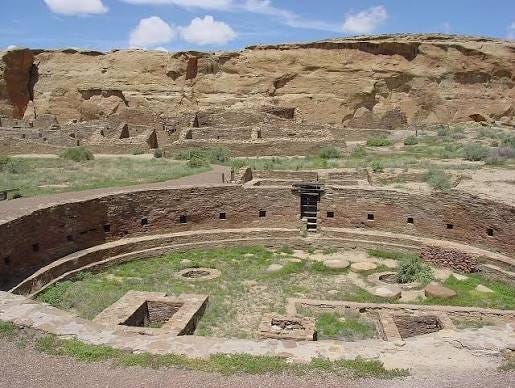
In the case of Chaco Canyon, the Bureau of Land Management (BLM) put forth a proposal that would open a 336,404-acre buffer to oil/gas/mineral leasing around the site. Inside the buffer zone, there are 7,552 known historic properties, 145+ traditional cultural properties, and 4 Chacoan great house outliers. This doesn’t even consider how heavy construction and equipment might impact the site. Chaco Canyon is a UNESCO World Heritage Site, one of twenty-seven sites located in the United States. Having these sites is more than a privilege; when used in conjunction with local marketing, the designation can help drive tourism and boost local economies. BLM's own draft environmental analysis concluded that revoking the protections could yield the equivalent of just over 2.2 million barrels of oil over the next 20 years. America consumes 2.2 million barrels of oil in under three hours. Do we as Americans really want to risk a globally recognized treasure to extract a very limited resource?
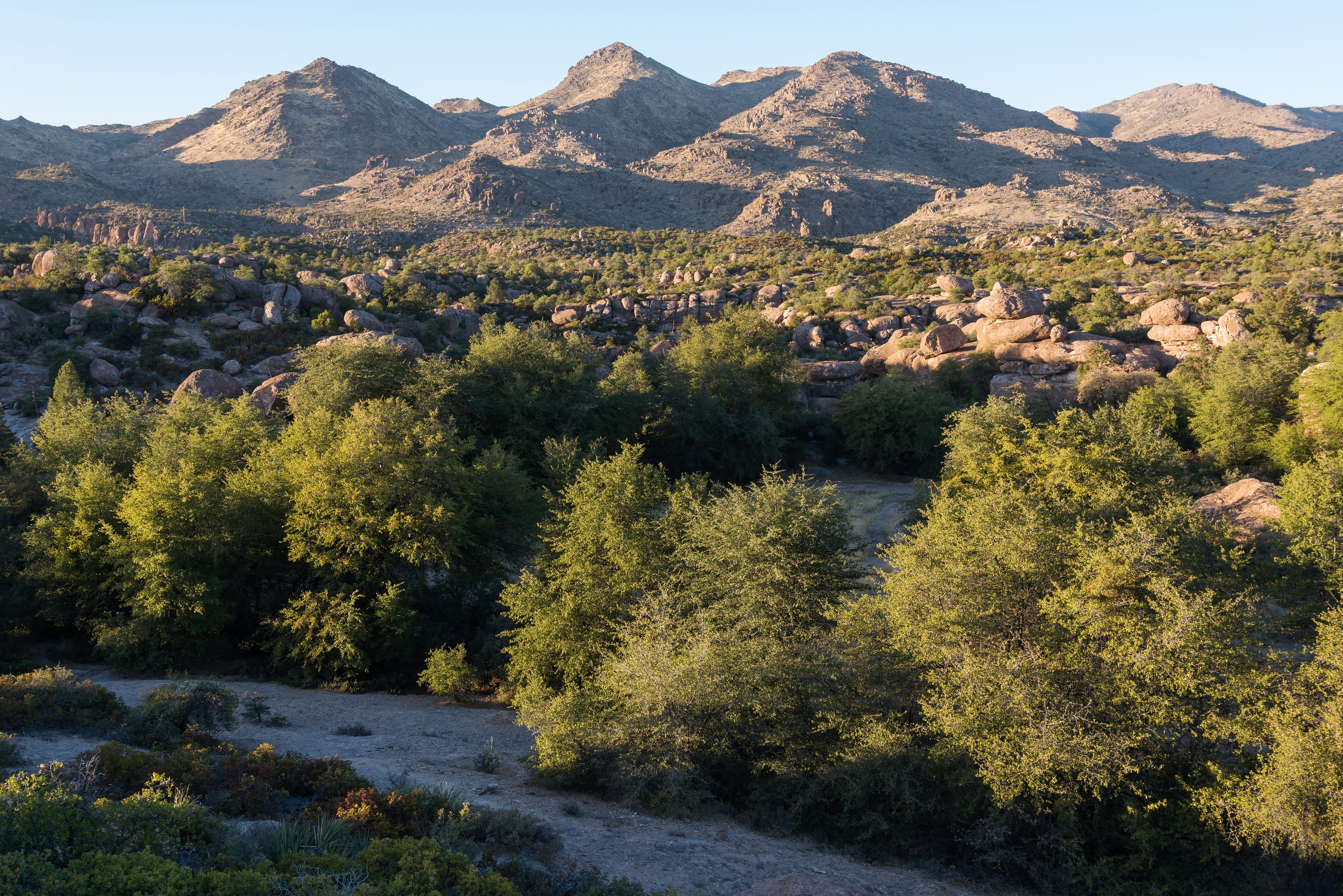
Flat Oak is a sacred site to the Western Apaches; it is important to their religious practices, and as such, it is also a sacred place for their dead. It also has a history as a copper mine, and Resolution Copper is a joint venture between Rio Tinto and BHP, two of the world’s largest mining conglomerates, that sought to obtain the land in 2014. The resulting mining operations would, according to a lawsuit filed by the Western Apache, result in a 1.8-mile-wide crater over 1,000 feet deep. (Think a hole that would stretch from the Capitol Building in D.C. to the Lincoln Memorial). This contract involved a public land swap to private interests, championed by Senator John McCain and happened during the Obama administration, but Trump has made it one of his top priorities to see the swap go through. In 2025, the court case to protect this land went all the way to the Supreme Court, which promptly declined to hear it, allowing for the sale to be finalized. Justice Gorsuch, an Associate Justice of the U.S. Supreme Court, dissented from that decision. He noted that the Western Apache believe Oak Flat is a place where they can speak directly to the Creator, and argued that the Court would likely have ruled differently if a historic cathedral had been at stake instead of a Native holy site. It was a pointed accusation: that his colleagues, in declining to even hear the case, were applying a double standard to a sacred place because it belonged to Native Americans rather than to a more familiar faith.
Then we have budget cuts to the National Park Service, the main actor in enforcing any cultural heritage law in the United States. They have lost approximately 25% of their workforce since January of 2025. And this administration is consistently pushing for deeper cuts to NPS’s budget, leaving more than half of an almost 3 million Native American remains still backlogged from the enactment of the 1990 NAGPRA law. The NPS has no clear ability to enforce the law as required, meaning the law still stands but is practically useless. For the 2027 Budget, which has not passed yet, the administration is asking for a 26% deeper cut to the NPS. The NPS is responsible for more than just regulating artifacts and cultural sites; it is also responsible for environmental emergencies on federal land. Forest fire prevention and intervention? I guess not.
Final Thoughts and Moving Forward
American history is complicated. Our ancestors did many things that we as Americans today would outright disagree with. While I learned much about the horrific treatment that Native Americans faced at the hands of the United States Government in college, that wasn’t where I first learned of the idea. It was my mountain family, my Appalachian family, who told me since I was a little girl that “We did wrong by the Natives.” It was said with shame. “We did not keep our word when it came to treaties. We stole everything from them for the sake of making rich men even richer.” There was always an undertone of helplessness to these statements, because they happened so long ago.
This isn’t the case; these actions and stripping of Native American cultural and spiritual legacy are happening in front of our very eyes. We can do something about it. We can do what we can to prevent history from repeating itself. We can call, email, mail, or even fax our representatives. We can advocate for the return of sacred land to Native ownership, like the North Carolina town of Franklin did in returning Noquisiyi, one of the largest unexcavated mounds in the Southeast, to the Eastern Band of the Cherokee. We can support the National Park Service by visiting our National Parks and telling our representatives to stop its defunding. We can also support Native American advocacy groups with donations or spreading awareness of the current attacks being done by the American government. And we all know, if there is one thing Appalachians love, it’s annoying and distrusting the Federal Government.
Our country is a beautiful and wild place. Our National Parks are our Crown Jewels, but they aren’t owned for the use of one single family. They are used by all Americans, Native Americans, and those descended from immigrants. They are truly what makes America great.
Sources:
Abc11.Com/Post/Town-Franklin-Gives-Land-Eastern-Band-Cherokee-Indians-North-Carolina/18367427/. https://abc11.com/post/town-franklin-gives-land-eastern-band-cherokee-indians-north-carolina/18367427/. Accessed 6 Aug. 2026.
American Antiquities at Grave Creek. https://archive.wvculture.org/history/nativeamericans/tomlinsonmound.html. Accessed 4 Aug. 2026.
Ancestral Lands of the Eastern Cherokee | The Wilderness Society. https://www.wilderness.org/articles/article/ancestral-lands-eastern-cherokee. Accessed 4 Aug. 2026.
Antiquities Act of 1906 - Archeology (U.S. National Park Service). https://www.nps.gov/subjects/archeology/antiquities-act.htm. Accessed 5 Aug. 2026.
Apache Stronghold v. United States - Becket. https://becketfund.org/case/apache-stronghold-v-united-states/. Accessed 6 Aug. 2026.
Archaeological Resources Protection Act of 1979 - Archeology (U.S. National Park Service). https://www.nps.gov/subjects/archeology/archaeological-resources-protection-act.htm. Accessed 5 Aug. 2026.
Bieder, Robert E. A Briet:~Iiistorjcal Survey of the Expropriation ofAmerican Indian Rem,Aills.
BLM National NEPA Register.
https://eplanning.blm.gov/
. Accessed 5 Aug. 2026.
Camden Park Mound - West Virginia Explorer. 4 Aug. 2026, https://wvexplorer.com/travel/attractions/prehistoric/camden-park-mound/.
Centre, UNESCO World Heritage. “Socio-Economic Impacts of World Heritage Listing.” UNESCO World Heritage Centre, https://whc.unesco.org/en/socio-economic-impacts/. Accessed 6 Aug. 2026.
———. “World Heritage.” UNESCO World Heritage Centre, https://whc.unesco.org/en/about/. Accessed 6 Aug. 2026.
Childs, Craig. “Pillaging the Past.” High Country News, 28 Apr. 2008, https://www.hcn.org/issues/issue-369/pillaging-the-past/.
“Collecting Indian Artifacts, Safely and Legally.” Antiques Roadshow | PBS, https://www.pbs.org/wgbh/roadshow/articles/collecting-indian-artifacts-safely-and-legally/. Accessed 5 Aug. 2026.
Dickson Mounds | Illinois State Museum. https://www.illinoisstatemuseum.org/welcome-dickson-mounds.html. Accessed 4 Aug. 2026.
Dickson Mounds | Mythic Mississippi Project - University of Illinois at Urbana-Champaign. https://mythicmississippi.illinois.edu/native-illinois/dickson-mounds/. Accessed 4 Aug. 2026.
Dickson Mounds | Mythic Mississippi Project - University of Illinois at Urbana-Champaign. https://mythicmississippi.illinois.edu/native-illinois/dickson-mounds/. Accessed 5 Aug. 2026.
Dr. William Hammond, Surgeon General - National Museum of Civil War Medicine. https://www.civilwarmed.org/dr-william-hammond-surgeon-general/. Accessed 4 Aug. 2026.
Expedition Magazine | Mastodons, Mound Builders, and Montroville Wilson Dickeson–Pioneering American Archaeologist. https://www.penn.museum/sites/expedition/mastodons-mound-builders-and-montroville-wilson-dickeson-pioneering-american-archaeologist/. Accessed 4 Aug. 2026.
Facing the Crisis: Recent Events - Archaeology Magazine Archive. https://archive.archaeology.org/online/features/loot/part3.html. Accessed 5 Aug. 2026.
“Figure 1. Map of Western North Carolina Counties Showing The...” ResearchGate, https://www.researchgate.net/figure/Map-of-western-North-Carolina-counties-showing-the-approximate-locations-of-the-Jasper_fig1_343481699. Accessed 4 Aug. 2026.
Fine-Dare, Kathleen Sue. Grave Injustice: The American Indian Repatriation Movement and NAGPRA. U of Nebraska Press.
Garden Creek Mound #2 (Woodland) | Ancient North Carolinians. https://ancientnc.web.unc.edu/indian-heritage/by-time/woodland/garden-creek-mound-2-woodland/. Accessed 4 Aug. 2026.
Gorsuch, Thomas Dissent as Supreme Court Doesn’t Take up Apache Mining Challenge. https://thehill.com/regulation/court-battles/5319722-gorsuch-thomas-dissent-apache-copper-mine/. Accessed 6 Aug. 2026.
Grand Mound Historic Site | Minnesota Historical Society. https://www.mnhs.org/about/grandmound. Accessed 5 Aug. 2026.
“Grave Goods Recovered from the Jasper Allen Mound.” ResearchGate, https://www.researchgate.net/figure/Grave-Goods-Recovered-from-the-Jasper-Allen-Mound_tbl1_343481699. Accessed 4 Aug. 2026.
Illinois State Museum Temporarily Closes Archaeology Exhibits at Dickson Mounds. https://www.illinois.gov/news/release.html?releaseid=23956. Accessed 4 Aug. 2026.
In, James Riding. “Repatriation: A Pawnee’s Perspective.” American Indian Quarterly, vol. 20, no. 2, 1996, pp. 238–50. JSTOR, https://doi.org/10.2307/1185703.
Jaffe, Logan. “The Museum Built on Native American Burial Mounds.” ProPublica, 27 Jan. 2023, https://www.propublica.org/article/repatriation-nagpra-museums-dickson-mounds-museum.
“Jefferson’s Excavation of a Native American Burial Mound.” Monticello, 26 Sept. 2026, https://www.monticello.org/encyclopedia/jeffersons-excavation-native-american-burial-mound.
“Jefferson’s Mound Archaeological Site.” Encyclopedia Virginia, https://encyclopediavirginia.org/entries/jeffersons-mound-archaeological-site/. Accessed 23 July 2026.
King, Barbara J. “‘Bone Rooms’: Where Scientific Racists Stored Their ‘Evidence.’” The Washington Post, 15 Apr. 2016. www.washingtonpost.com, https://www.washingtonpost.com/entertainment/books/bone-rooms-where-scientific-racists-stored-their-evidence/2016/04/14/d6aeae46-eed7-11e5-a61f-e9c95c06edca_story.html.
“Law Enforcement and Investigations - Archeological Resources Protection.” US Forest Service, 31 July 2026, https://www.fs.usda.gov/about-agency/law-enforcement-investigations/safety-crime-prevention/archeological-protection.
Maria Pearson - Archives of Women’s Political Communication. https://awpc.cattcenter.iastate.edu/directory/maria-pearson. Accessed 5 Aug. 2026.
Midtrød, Tom Arne. “‘Calling for More Than Human Vengeance’: Desecrating Native Graves in Early America.” Early American Studies, vol. 17, no. 3, 2019, pp. 281–314.
“Mission & History.” The Valentine Museum, https://thevalentine.org/about/mission-and-history/. Accessed 4 Aug. 2026.
mondial, UNESCO Centre du patrimoine. “États-Unis d’Amérique - UNESCO Convention Du Patrimoine Mondial.” UNESCO Centre Du Patrimoine Mondial, https://whc.unesco.org/fr/etatsparties/us. Accessed 6 Aug. 2026.
moundsville11. American Cathedrals: Why We Should Protect (and Visit) Native American Mounds — ‘Sacred Centers of Their Communities, like Notre Dame for the French.’ - Moundsville: PBS Film & Magazine. 26 Aug. 2019, https://moundsville.org/2019/08/26/american-cathedrals-why-we-should-treasure-protect-and-visit-native-american-mounds-sacred-centers-of-their-communities-like-notre-dame-for-the-french/.
Mourt’s Relation: A Journal of the Pilgrims at Plymouth, 1622, Part I. 1622, http://www.histarch.illinois.edu/plymouth/mourt1.html.
National Park Service: FY2026 Appropriations | Congress.Gov | Library of Congress. https://www.congress.gov/crs-product/IF13116. Accessed 6 Aug. 2026.
National Park Service: FY2026 Appropriations | Congress.Gov | Library of Congress. https://www.congress.gov/crs-product/IF13116. Accessed 6 Aug. 2026.
National Park Service: FY2026 Appropriations | Congress.Gov | Library of Congress. https://www.congress.gov/crs-product/IF13116. Accessed 6 Aug. 2026.
News - AIA Advocates to Protect the Landscape and Sites Surrounding Chaco Canyon - Archaeological Institute of America. https://www.archaeological.org/aia-advocates-to-protect-the-landscape-and-sites-surrounding-chaco-canyon/. Accessed 5 Aug. 2026.
“‘Nobody Wants This’: New Poll Finds Majority of Americans Oppose Attacks on National Parks and Park Staff.” National Parks Conservation Association, https://www.npca.org/articles/11206-nobody-wants-this-new-poll-finds-majority-of-americans-oppose-attacks-on. Accessed 5 Aug. 2026.
Office, U. S. Government Accountability. Native American Priorities: Protection and Repatriation of Human Remains and Other Cultural Items | U.S. GAO. https://www.gao.gov/products/gao-24-106870. Accessed 5 Aug. 2026.
Peachtree Mound and Village Site, Cherokee County, North Carolina.
Peachtree Mound and Village Site Murphy NC. https://greatcarolinaproperty.com/outdoor-recreation/Peachtree-mound-village-site.htm. Accessed 4 Aug. 2026.
“President’s Budget Proposal Slashes National Park Service Funding Amid Ongoing Attacks on National Parks.” National Parks Conservation Association, https://www.npca.org/articles/11371-president-s-budget-proposal-slashes-national-park-service-funding-amid. Accessed 5 Aug. 2026.
Price, David. “The Civil War and the Army Medical Museum.” National Museum of Civil War Medicine, 15 Feb. 2017, https://www.civilwarmed.org/army-medical-museum/.
Protect Oak Flat - Association on American Indian Affairs. https://www.indian-affairs.org/protectoakflat.html. Accessed 6 Aug. 2026.
Protecting Land on Religious Freedom Grounds: The Case of Oak Flat. https://www.americanbar.org/groups/crsj/resources/human-rights/2024-october/protecting-land-religious-freedom-grounds/. Accessed 6 Aug. 2026.
Redman, Samuel. “When Museums Rushed to Fill Their Rooms With Bones.” Smithsonian Magazine, https://www.smithsonianmag.com/history/when-museums-rushed-fill-their-rooms-bones-180958424/. Accessed 4 Aug. 2026.
Slack Farm « Trafficking Culture. https://traffickingculture.org/encyclopedia/case-studies/slack-farm/. Accessed 5 Aug. 2026.
Stevenson, Ian M. “BLM Nears Decision on Reopening Chaco Canyon Lands to New Oil Leasing.” E&E News by POLITICO, 16 July 2026, https://www.eenews.net/articles/blm-nears-decision-on-reopening-chaco-canyon-lands-to-new-oil-leasing/.
Stone, Jessi. Protecting the Past: Mounds Hold Key to Understanding Cherokee History -. 3 Aug. 2016, https://smokymountainnews.com/archived/archived-news/protecting-the-past-mounds-hold-key-to-understanding-cherokee-history/.
Supreme Court Declines Apache Bid to Protect Az Sacred Land from Oak Flat Copper Mine. https://www.tucsonsentinel.com/local/report/052725_scotus_oak_flat/supreme-court-declines-apache-bid-protect-az-sacred-land-from-oak-flat-copper-mine. Accessed 5 Aug. 2026.
Supreme Court Refuses Apache Plea to Save Oak Flat from Copper Mining Destruction. https://azmirror.com/2025/05/27/supreme-court-refuses-apache-plea-to-save-oak-flat-from-copper-mining-destruction/. Accessed 6 Aug. 2026.
The Bears Ears Commission - Bears Ears Inter-Tribal Coalition. https://www.bearsearscoalition.org/the-bears-ears-commission/. Accessed 6 Aug. 2026.
“The Early Valentine Museum, 1898–1930.” The Valentine Museum, https://thevalentine.org/explore/richmond-stories/featured-stories/the-early-valentine-museum-1898-1930/. Accessed 4 Aug. 2026.
Tribal Nations Respond to Bears Ears Monument Reduction. https://www.bearsearscoalition.org/bears-ears-monument-reduction-2026/. Accessed 5 Aug. 2026.
Trump Administration Proposes Massive Cuts to National Park Service Budget (Again), While Asking for $10 Billion for “Beautification Projects” in Washington, D.C.

. Accessed 6 Aug. 2026.
TucsonSentinel.com, and Kelsey Reichmann. “Supreme Court Declines Apache Bid to Protect Az Sacred Land from Oak Flat Copper Mine.” TucsonSentinel.Com, http://www.tucsonsentinel.com/local/report//052725_scotus_oak_flat/. Accessed 6 Aug. 2026.
United States Army Medical Museum Records Concerning Skeletal Material Transferred to the Smithsonian Institution | Smithsonian Institution. https://www.si.edu/object/archives/sova-naa-xxxx-0330. Accessed 4 Aug. 2026.
When Museums Rushed to Fill Their Rooms With Bones. https://www.smithsonianmag.com/history/when-museums-rushed-fill-their-rooms-bones-180958424/. Accessed 4 Aug. 2026.
“When Native Americans Were the Lost Tribes of Israel.” The Forward, 21 Apr. 2020, https://forward.com/culture/440860/when-native-americans-were-the-lost-tribes-of-israel/.
“Will the Mass Robbery of Native American Graves Ever End?” Washington Post, https://www.washingtonpost.com/magazine/2021/07/08/will-mass-robbery-native-american-graves-ever-end/. Accessed 22 July 2026.
So very thoroughly researched and deeply informative! Much appreciated!